Physical Address
304 North Cardinal St.
Dorchester Center, MA 02124
Physical Address
304 North Cardinal St.
Dorchester Center, MA 02124

By Jophlyn Thompson
Residents of the remote Malimba community in Sierra Leone have heaped praises on teen activist and humanitarian Benjamin Waner, a high school senior at Columbia Grammar and Preparatory School in New York City, for organizing Rally for Relief, a 2025 fundraising initiative that raised more than US$2,000 for urgently needed medical care and supplies.
The funds were distributed through Education for All, a Swiss nonprofit organization that provides education, scholarships, vocational training, and other support to marginalized communities, particularly girls, in Sierra Leone’s Western Area Rural District (WARD) and Koya Chiefdom.
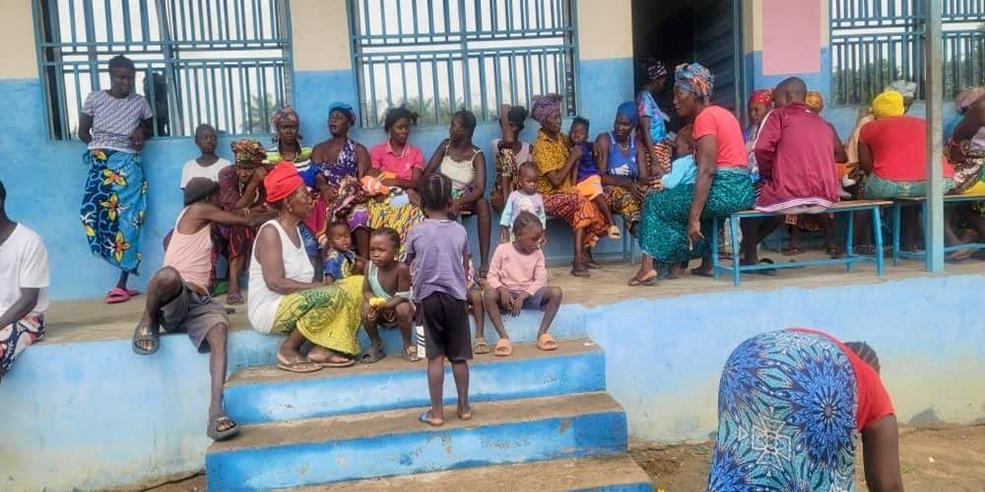
For residents of Malimba and neighboring villages, where access to medical care remains limited, the fundraising campaign provided more than financial assistance. It brought nurses, medication, and treatment to communities where residents, more often than not, have to travel long distances to see a healthcare provider. Speaking on behalf of the Malimba community, representatives expressed sincere gratitude to Waner, describing that the support received offers hope and dignity to community beneficiaries.
On his part, Waner stated that he was motivated to act after learning about Kassim, a 12-year-old boy from Malimba who died in 2024 after what began as a common cold developed into a bacterial infection. Waner learned about Kassim through Martine Coppens, founder of Education for All, and was struck by how a lack of access to basic medical care could turn a treatable illness into a tragedy.
Coppens told Waner that approximately $400 a month could fund medical access and nursing care for two local schools and their surrounding villages. Waner decided to help raise the funds needed to bring that care to Malimba.
He organized Rally for Relief through the Trail Club of Carmel Hamlet in Putnam County, New York, combining a luncheon with a family tennis round-robin tournament. Waner managed the event’s logistics, promotion, and outreach independently.
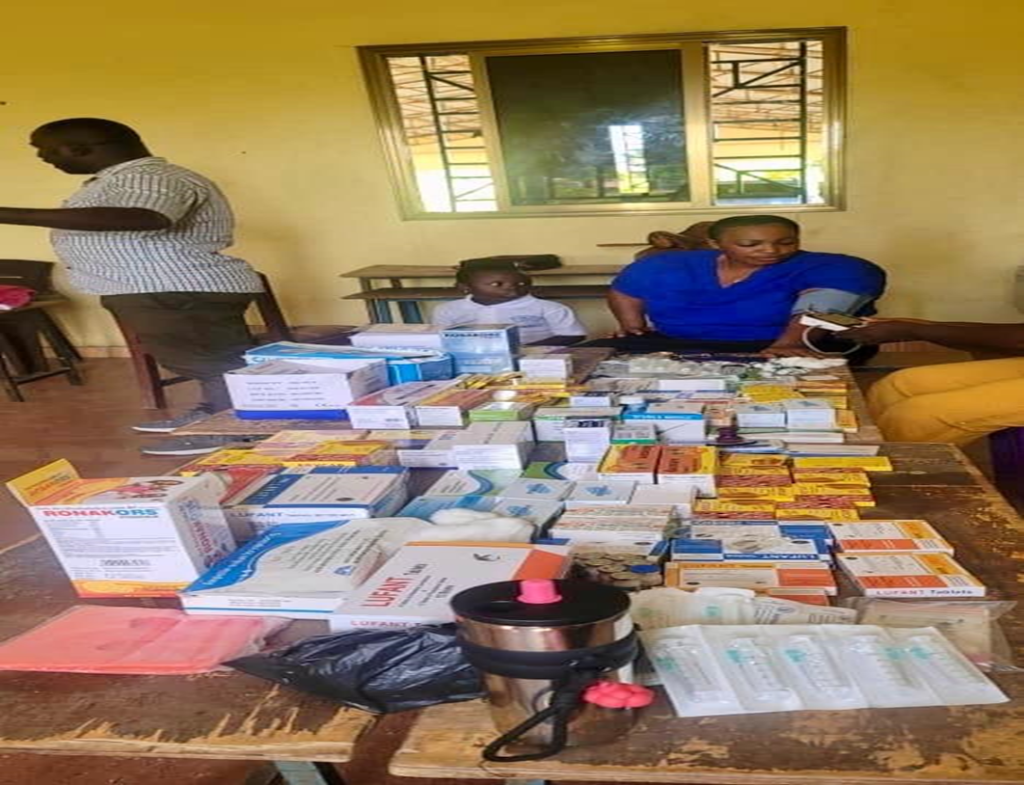
The resulting funds supported a five-month healthcare project that ran from November 2025 through March 2026. Nurses Myriam Browne and Fatmata Koroma traveled to Malimba each month to provide medical treatment and distribute medication. Their visits quickly became an important source of care for residents of Malimba and surrounding villages. The nurses treated 158 patients during each visit, assisted by local elementary school teachers who helped organize the patients and distribute number cards to ensure that the clinics operated smoothly. Overall, 790 patients received treatment and approximately $1,000 worth of medication was dispensed before the available funding was exhausted.
The range of conditions they encountered reflected the significant healthcare needs of the community. Patients were treated for malaria, hypertension, sexually transmitted diseases, colds and coughs, arthritis, ulcers, typhoid, urinary tract infections, tuberculosis, skin rashes, and acute pain. Malaria, which is transmitted by mosquitoes, remains a major health concern in Sierra Leone.
The project also provided surgical care. Ten children underwent surgery for umbilical hernias, giving families access to treatment that might otherwise have been difficult to obtain.
Community representatives expressed their gratitude to Waner, describing his contribution as “a true act of humanitarian service.” They said the assistance went beyond financial support by providing residents with greater access to healthcare while reinforcing a sense of hope and dignity.
Coppens also commended Waner for his generosity and confidence in Education for All’s work. She said the project demonstrates the value of partnerships among diaspora activists, philanthropists, and nonprofit organizations seeking to address urgent needs in underserved communities.
Education for All is calling on other philanthropists and humanitarians to support initiatives aimed at improving healthcare, education, and economic opportunity for vulnerable communities.
For Malimba residents, the healthcare project offered a tangible example of what targeted support can accomplish. A single fundraising effort in New York helped bring nurses and medicine to hundreds of people in villages thousands of miles away, connecting communities across borders through a shared commitment to improving lives.
Below is the report:
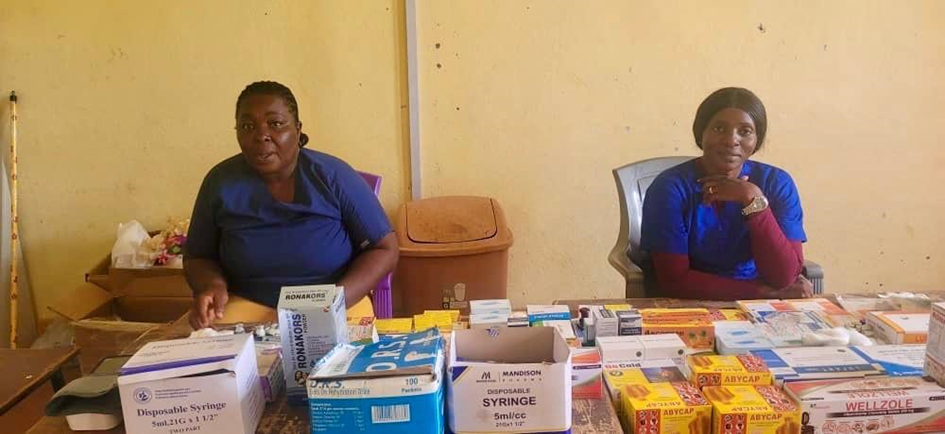
FINAL REPORT ON HEALTH CARE ASSISTANCE PROJECT IN MALIMBA AND NEIGHBORING VILLAGES
Due to a lack of local doctors and nurses, health problems are numerous and complex in the isolated villages of Malimba. Lack of medical access leads residents to travel great distances for treatment. The challenges from lack of local care include the prevalence and rapid spread of infectious diseases such as malaria and tuberculosis; malnutrition, particularly in children, arising from food shortages; waterborne diseases and infections; and lack of prenatal care and complications in childbirth.
The residents of Malimba requested healthcare assistance, and this project was submitted to Mr. Benjamin Waner. Thanks to his fundraising efforts through “Rally for Relief” at the Trail Club in Carmel, New York, $2,050 was provided to organize medical assistance for the Malimba Community and its surrounding villages.
Nurses Myriam Browne and Fatmata Koroma traveled to Malimba monthly to administer necessary medical treatments. News of their visits spread quickly throughout the surrounding villages, leading to a significant increase in the number of patients. The nurses were able to treat approximately 158 people per visit to Malimba, supported by elementary school teachers who help organize care by handing out numbers to patients to ensure the visits run smoothly.
The project lasted five months, from November 2025 until March 2026, and a total of 790 to 800 people were treated. After five months, the project had exhausted its funding.
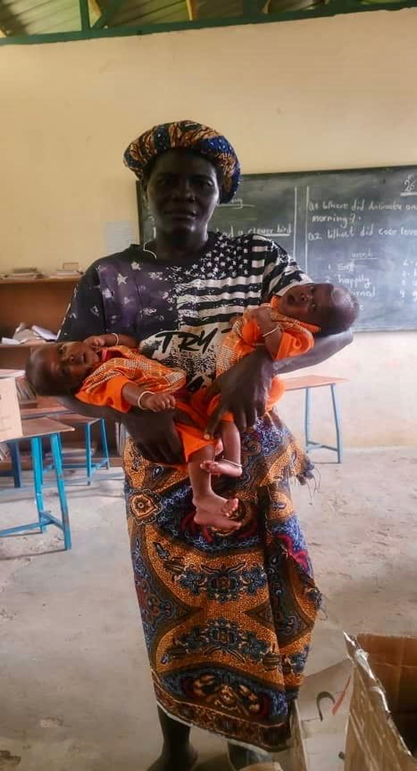
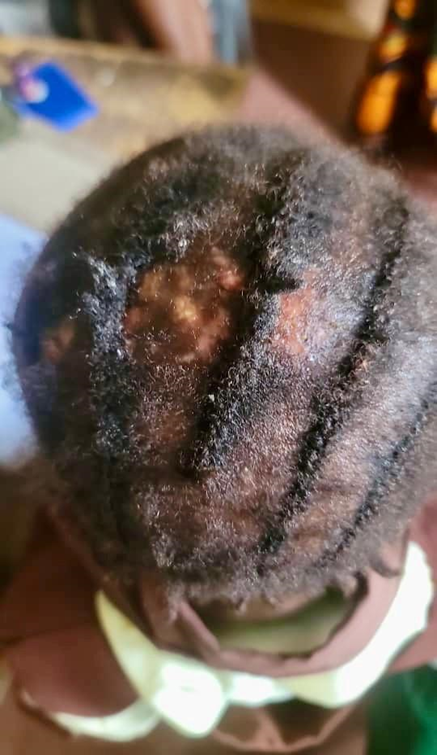
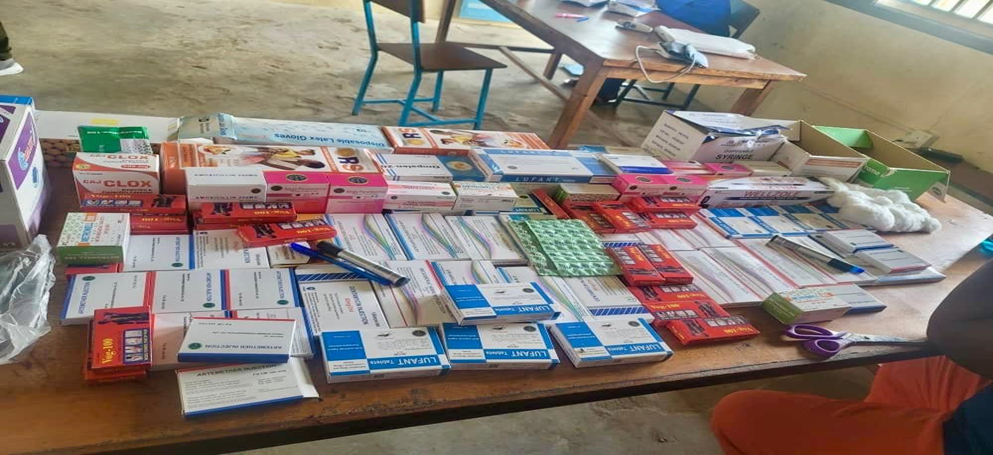
Nurses Brown and Koroma treated malaria, transmitted by mosquito bites, which remains a leading cause of death in Sierra Leone. Other illnesses the nurses treated include hypertension, sexually-transmitted infections, colds and coughs, arthritis, ulcers, typhoid, urinary infections, tuberculosis, skin rashes. and acute pain. Ten children underwent surgery due to umbilical hernias.
Nurses’ Report
Attached is an analysis of the number of patients treated from various villages per visit to Malimba including the various types of illnesses treated and the medication given. This is an indication of one visit only. Nurses Brown and Koroma treated about 790 to 800 people in total and dispensed $1,000 worth of medicine.
The distribution and management of medications funded by Mr Benjamin Waner offer a range of benefits, including economic, social, and health benefits.
Overall well-being: Better access to medical treatment helps improve quality of life, reducing mortality and morbidity in the community.
This project has contributed to a meaningful reduction in deaths in the village. The Malimba community, for instance, lost only one elementary school child and three adults this year, compared to the death of four children and several adults the previous year.
In conclusion, the distribution and proper management of medications in the Malimba community are essential drivers of sustainable development and a significant improvement in the quality of life of the residents of that isolated community.
The project’s objectives were largely achieved, including, but not limited to, the fact that the mortality rate has decreased significantly; community members are now more aware of the need to seek medical treatment rather than relying on herbal remedies; community members now make fewer trips to a distant health clinic because illnesses can be treated in the village; patients’ illnesses were properly diagnosed and treated free of charge; and the transfer of certain patients to a health clinic or hospital is organized.
Testimonial from one Mrs. Mansaray:
“I came to say a huge thank you. Without the nurses’ help, my daughter would not have survived because there are no doctors or clinics in our area. I cannot afford the transportation to get to a hospital because it is expensive and very far away. My daughter had a high fever and could not eat or talk anymore. The nurse gave her medicine (antibiotics), and my daughter started to get better. She has now completely recovered. Thank you! Thank you! Thank you! Plenti thenki, literally meaning many thanks!”
Residents of the Malimba Community and the surrounding villages expressed their deep gratitude for the medical care they received and thanked Mr. Benjamin Waner, Education for All and the nurses for what they considered as dedication and commitment that saw not only the improvement of many lives but also saviour, which is a testament to their professionalism in organizing the project. According to residents, the attention given to each patient has had a significant impact on the overall health of their community. They furthered that they have seen a decrease in the illnesses that previously affected community members, and are now more aware of the importance of prevention and access to care. They further expressed thanks and appreciation, hoping that such collaboration will continue, allowing them to keep benefiting from the care they have been fortunate enough to receive.
“Your impact goes far beyond mere treatment; it strengthens our communities. The continuation of this project is essential to our survival so we hope you can continue to help us,” community members concluded.
“We would like to thank Mr. Benjamin Waner for his invaluable assistance. We have seen and witnessed the care provided in this community. A huge thank you on behalf of the residents of the
different communities.”