Physical Address
304 North Cardinal St.
Dorchester Center, MA 02124
Physical Address
304 North Cardinal St.
Dorchester Center, MA 02124

By Jophlyn Thompson
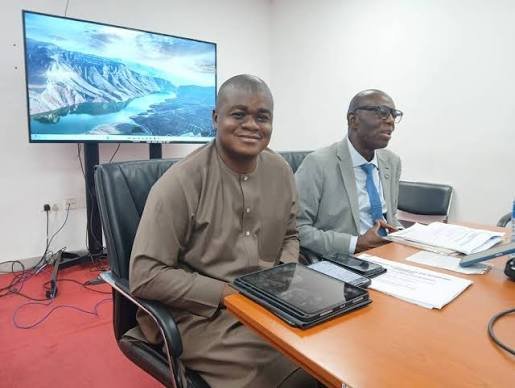
Parliament has, through the Committee on Technical and Higher Education, recently concluded a series of engagements with leading private universities, including Central University, Unimtech University, Unimark University, Limkokwing University of Creative Technology and AMTA Medical Collage at the Parliament Building on Tower Hill, Freetown.
The meetings formed part of Parliament’s constitutional oversight responsibility to promote quality education and support institutions contributing to national development.
During the engagements, the Committee, chaired by Hon. Joseph Williams-Lamin, reviewed the universities’ operations, governance structures, academic programmes, student welfare initiatives, achievements, challenges, and future development plans. Hon. Lamin emphasized that the engagements were intended to foster collaboration and gain a better understanding of the institutions’ contributions to higher education rather than to investigate or penalize them.
The Committee commended the significant progress made by the four institutions in expanding access to tertiary education, promoting innovation, and producing skilled graduates. Members particularly praised Central University’s advancements in agriculture, health sciences, and technological education; Unimtech University’s growth in information technology and public administration; Unimark University’s flexible learning systems and commitment to academic integrity; and Limkokwing University’s practical, skills-based approach to creative technology education and AMTA Medical Collage in dealing with educational career in the health sector
University management teams highlighted several achievements, including increased student enrolment, improved governance systems, expansion of academic programmes, successful research collaborations, and the integration of online learning platforms. They also outlined plans to introduce new programmes in public health, agroecology, solid waste management, aviation studies, clinical sciences, artificial intelligence, cybersecurity, and other emerging fields.
Despite these achievements, the institutions identified common challenges affecting the higher education sector, including inadequate infrastructure, limited student accommodation, high energy costs, insufficient campus space, lack of government support for private universities, and the need for additional land for expansion.
Committee members, including Hon. Emerson Lamina and Hon. Aaron Aruna Koroma, praised the universities for complementing government efforts in providing quality higher education. They encouraged management to strengthen partnerships with international organizations, pursue alternative revenue streams, enhance research and innovation, improve staff development, and establish stronger alumni networks.
The Committee also recommended that institutions develop comprehensive project proposals to attract donor support, particularly for infrastructure, renewable energy projects, student accommodation, and campus expansion initiatives.
Concluding the engagements, the Committee expressed satisfaction with the contributions of private universities to Sierra Leone’s educational development and reaffirmed Parliament’s commitment to supporting policies that promote quality, accessible, and sustainable higher education. The Committee further announced plans to conduct field visits to the institutions to gain first-hand knowledge of their operations and challenges.
The engagements ended with renewed commitments from both Parliament and the universities to work collaboratively towards strengthening higher education and fostering national development in Sierra Leone.